

The Rover
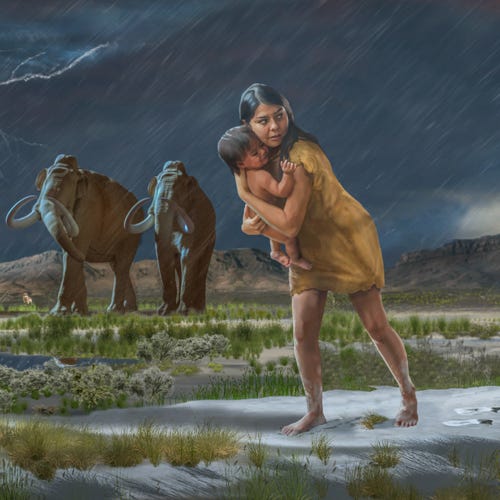
Humans and mammoths did coexist. We know this now thanks to this National Park.
20,000+ years ago, human families walked in the soft mud of Lake Otero in southern New Mexico, surrounded by giant sloths, mammoths, and camels. What a time to be alive.
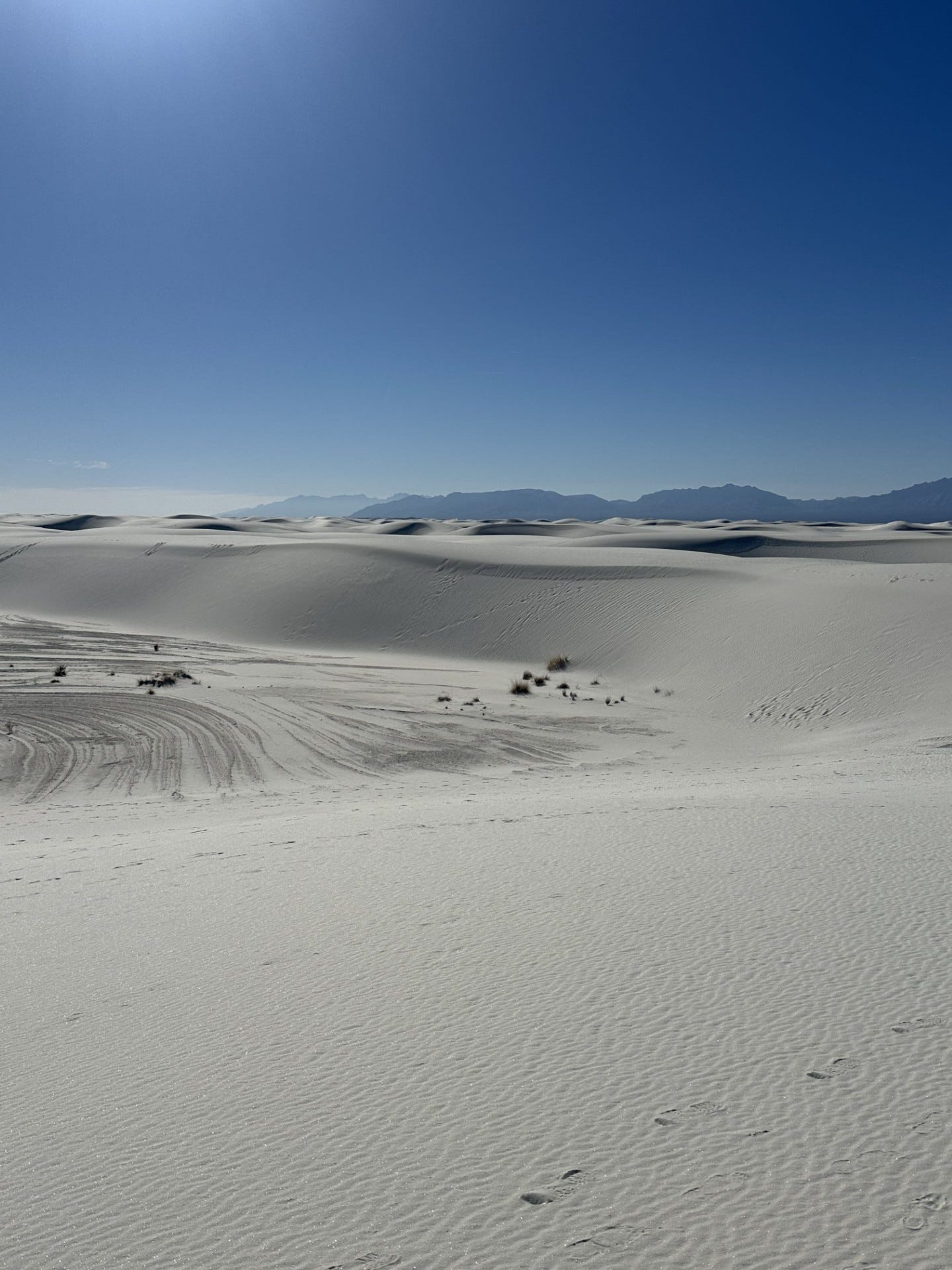
White Sands National Park in New Mexico is a mesmerizing, 275-square-mile desert wonder featuring the world’s largest gypsum dune field. These rare, brilliant white, powdery sands resemble snow, staying cool to the touch even in high heat. The surreal, shifting landscape offers a stark, serene environment for sledding, hiking, and photography.
This place is breathtaking.
The New Mexico desert is not exactly known for its beautiful scenery. Sagebrush and the lack of life span between mountain ranges as far as the eye can see.
It’s hard to imagine what it was like to travel across this country before the combustion engine, but to stumble upon a nearly 300-acre area of pure white sand in the middle of the desert would leave me speechless.
Where am I? How did this white sand even get here? Does it ever end?
It looks like a giant shipment from Pablo Escobar crashed in the middle of nowhere.
White Sands, located in New Mexico’s Tularosa Basin, was established as a National Monument on January 18, 1933, by President Herbert Hoover to protect the world’s largest gypsum dune field. Following years of local efforts to preserve the area, it was officially redesignated as the 62nd National Park on December 20, 2019, through the National Defense Authorization Act.
Historical Details
Early Protection Efforts: Efforts to protect the dunes began around 1918, spearheaded by Alamogordo newspaper reporter Tom Charles, who recognized the area’s immense value for tourism.
National Monument (1933): The area was designated a national monument to protect its unique geological, scientific, and natural values.
Military Proximity: In 1942, during World War II, the area became surrounded by a 1.2 million-acre gunnery range, with missile testing commencing in 1945.
Redesignation to National Park (2019): Due to its significance, it was upgraded to a national park on December 20, 2019, to boost the local economy and better protect its diverse resources.
Geological Significance: The sand is composed of gypsum, formed from a shallow sea 250 million years ago, creating a unique, ever-shifting ecosystem.
Cultural History: The park preserves evidence of human history dating back 10,000 years, including ancient fossilized footprints.
The White Sands has blown up with interest lately due to the show Ancient Apocalypses on Netflix.
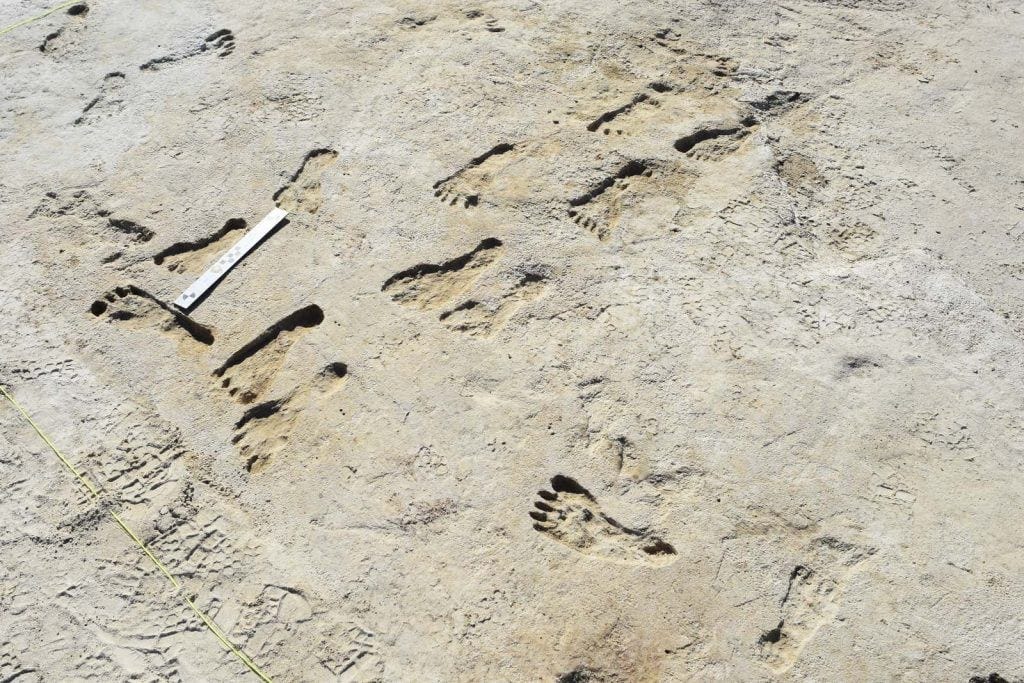
The White Sands National Park appeared in the episode because footprints found in 2006 were finally dated and announced to the public in 2021.
These footprints were 21,000-23,000 years old, breaking records for the oldest human footprints found in North America.
Going to the park today, you are only able to access a small portion of it. Partly because of ongoing geological studies, and partly because it is a live missile-testing range with unexploded missiles buried in the ground.
There are a few hikes you can go on. The shortest is about a mile, and the longest is roughly five miles.
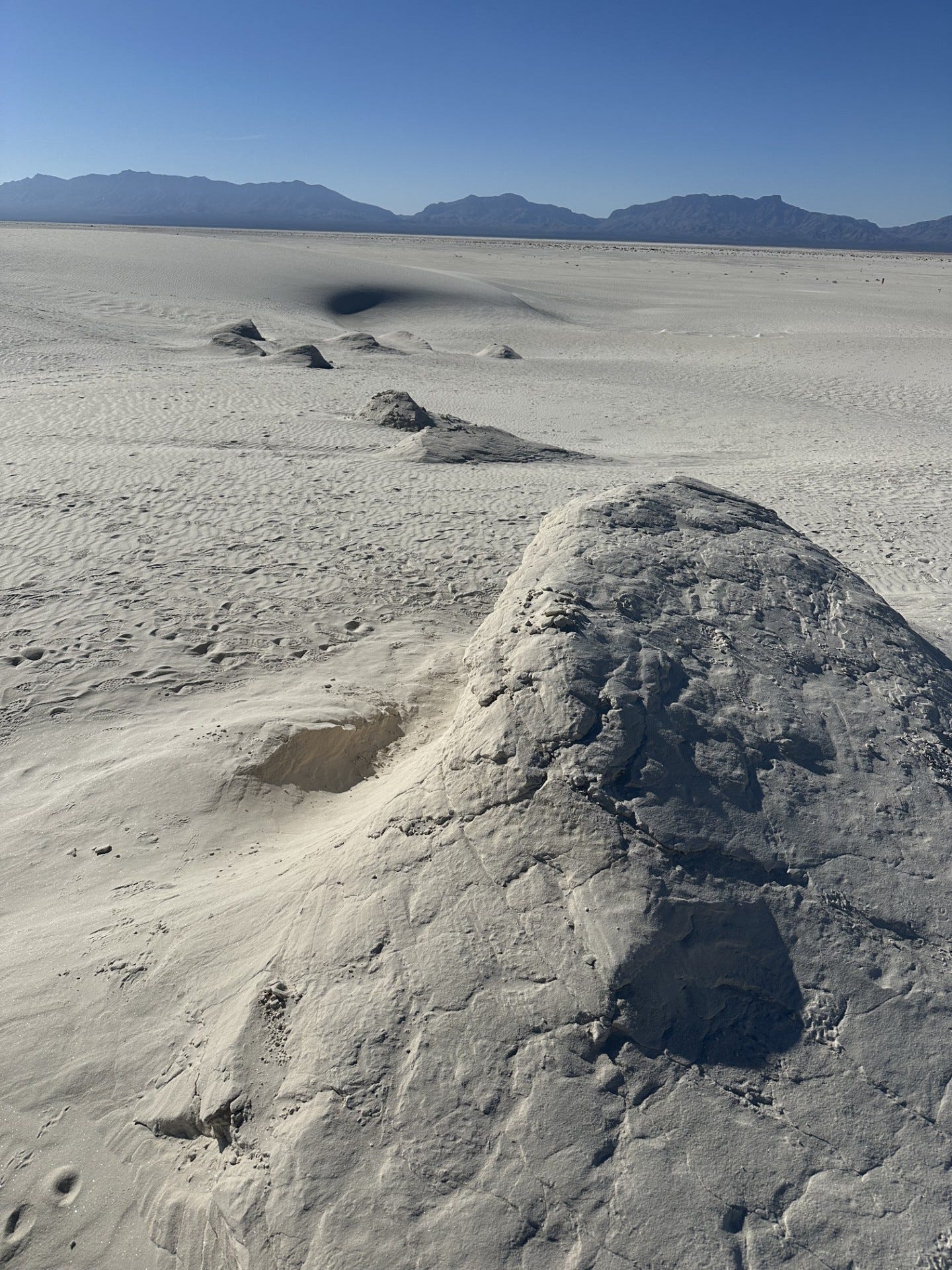
You’re goddamn right I went on the five-mile hike, doing part of it barefoot, getting in touch with our early ancestors. Here is as far back in the park as you can go.
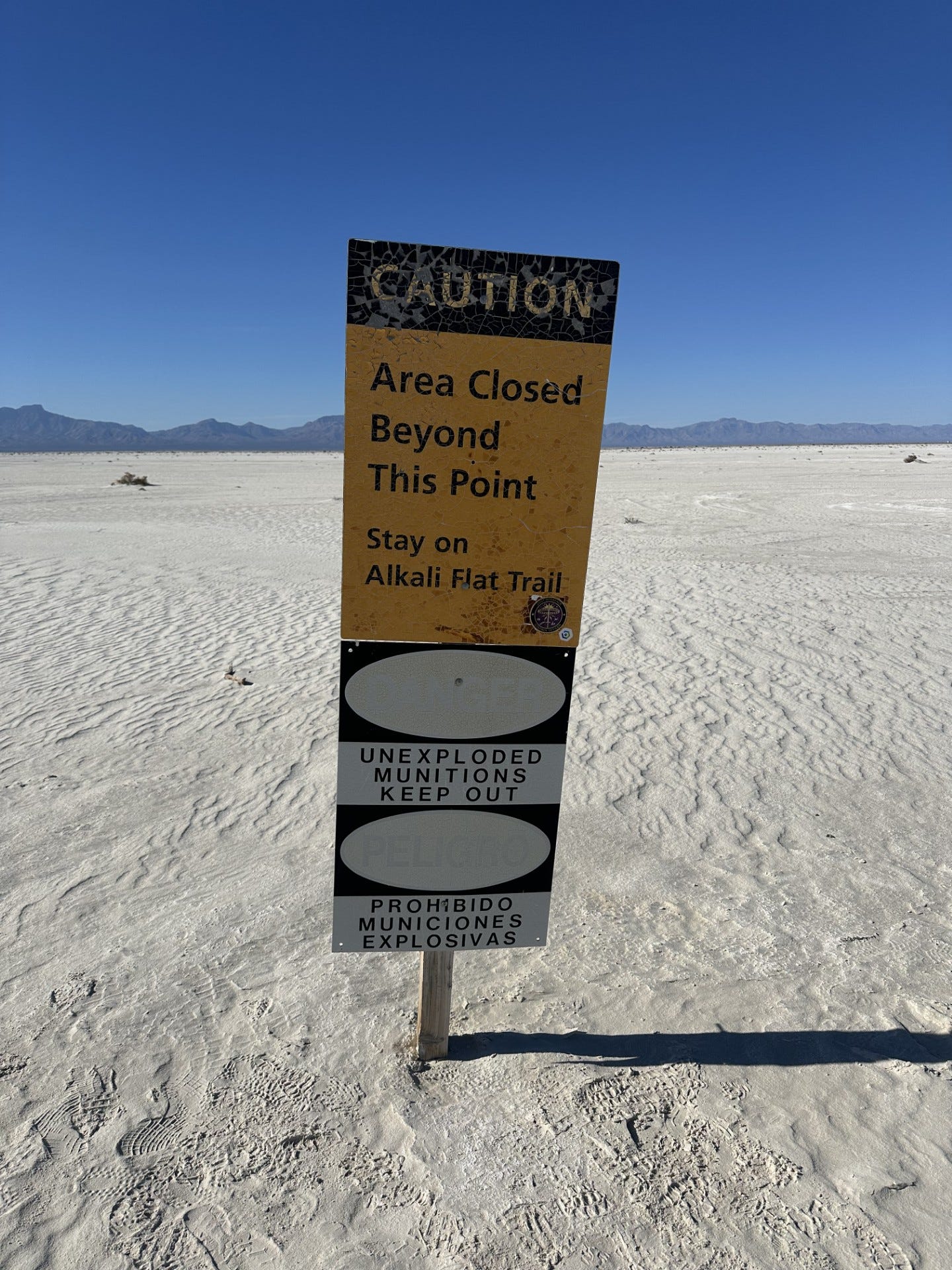
You should take the time to go to the National Parks, especially if you are close to one. White Sands National Park is 3.5 hours from Albuquerque, NM.
“Gov’t to provide temporary tax benefits to investors investing back home”
Gov’t to provide temporary tax benefits to investors investing back home —Korea Herald
This is the biggest story of the month.
South Korea announced it will offer a tax break to its citizens who sell stocks abroad and bring capital home.
There is one place South Korean foreign investment goes…the red, white, and blue.
The government will introduce a temporary tax incentive for retail investors who sell overseas stocks this year and reinvest the proceeds in domestic assets, the finance ministry said Tuesday.
Under the new scheme, investors who sell overseas equities and convert the proceeds into Korean won for investment in domestic assets for at least one year will be eligible for an income deduction on capital gains from overseas stock sales, according to the Ministry of Economy and Finance.
Capital gains on overseas stock sales are currently taxed at 20 percent.
The deduction will be set at 100 percent for sales made in the first quarter of 2026, followed by 80 percent for sales in the second quarter and 50 percent for sales in the second half of the year.
The move is part of a previously announced package of tax incentives and foreign-exchange measures aimed at addressing continued net capital outflows by domestic investors, which authorities say have largely contributed to the depreciation of the Korean won against the US dollar.
The underlying theme here not discussed: a US ally is telling its citizens to withdraw capital from the US and bring it home due to a looming currency crisis.
With the deduction timetable set at 100% of capital you bring home to South Korea in the first quarter of 2026, followed by 80%, and then 50% later in the year.
South Korea is saying it needs the capital within its borders NOW to defend against an impending currency crisis. If capital flows home too late, none of it will matter.
AGAIN, a key US ally who promised a $350 billion investment in the US in the trade agreement with President Trump after Liberation Day is telling its citizens WE NEED YOUR CAPITAL HERE TO PROTECT OUR CURRENCY.
